Ingredients
Only what it needs
The 13 foods you know, plus one you're about to meet. And we'll tell you why each one is here.
Where it comes from
Fruit 4
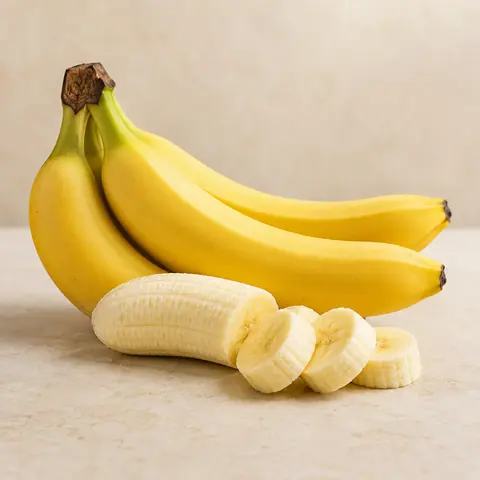
Banana
Banana gives the batter body and nutrients. Taste? Barely any. It's very mild. But potassium... now that's another story!
- Potassium
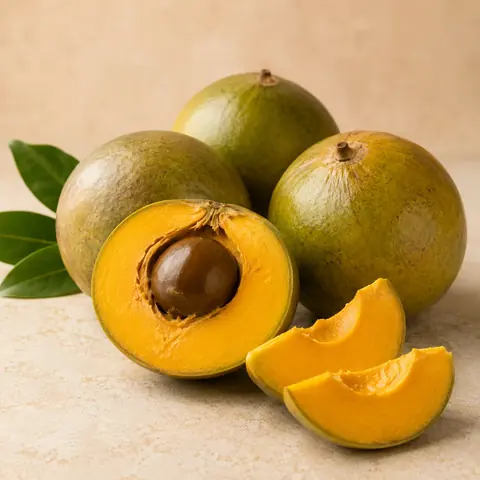
Lucuma
One of Peru's best-loved fruits, dried and turned into powder. We like fruit, do you?
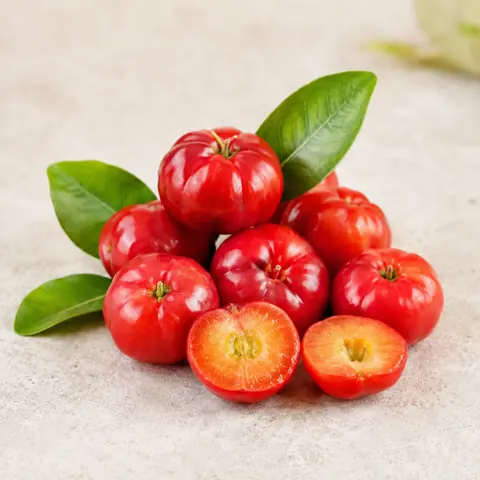
Acerola
Acerola is one of the richest sources of vitamin C among fruits. Just a pinch makes our cake “high in vitamin C”.
- Vitamin C
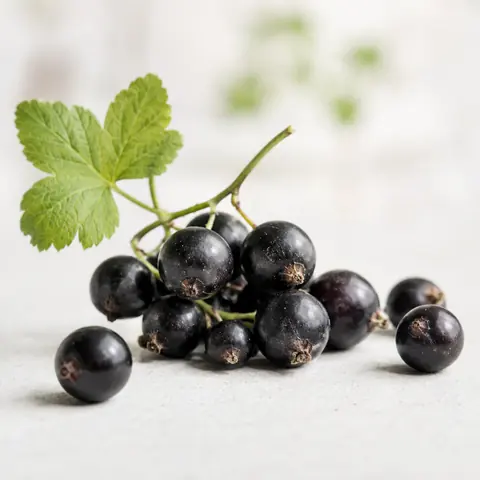
Blackcurrants
This well-known European berry gives the batter a tangy taste, a lovely violet colour and more vitamin C.
- Vitamin C
- Potassium
Vegetables 2
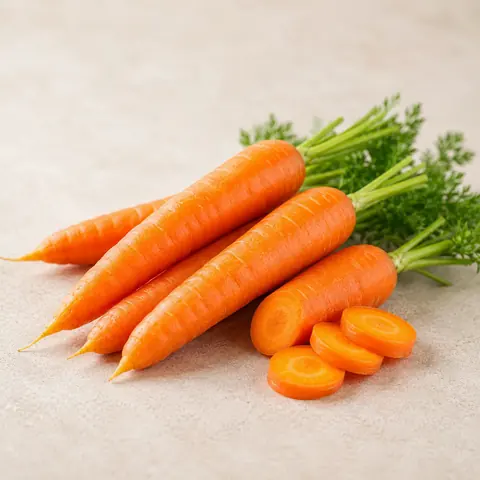
Carrot
Think you don't like carrot? Maybe you just don't like boiled carrot. Here it brings vitamin A, and it doesn't taste of soup.
- Vitamin A
- Potassium
- Fibre
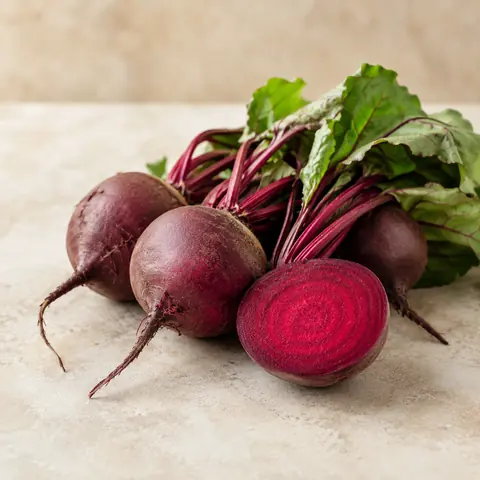
Beetroot
It's what paints the cake red, and it brings potassium too. And no, it doesn't taste like salad either!
- Potassium
- Fibre
- Manganese
Seeds and grains 5
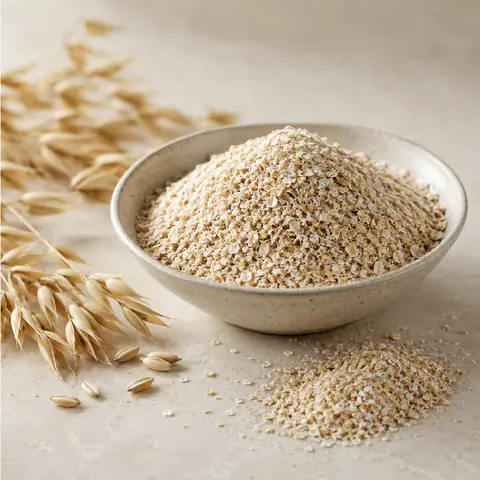
Oat bran
The outer layer of the oat grain, the part richest in fibre. It brings manganese and phosphorus.
- Manganese
- Phosphorus
- Fibre
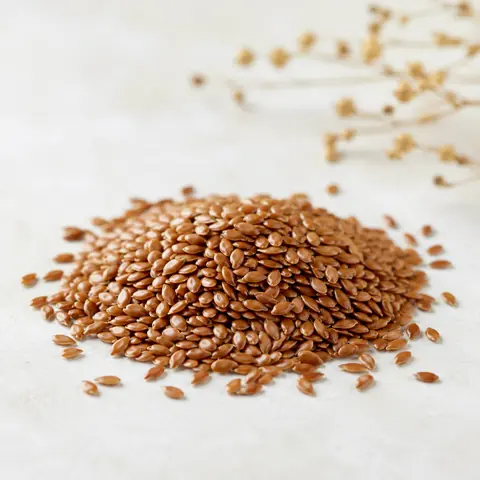
Golden flaxseed
Flaxseeds are ground and turned into a flour that is high in fibre.
- Fibre
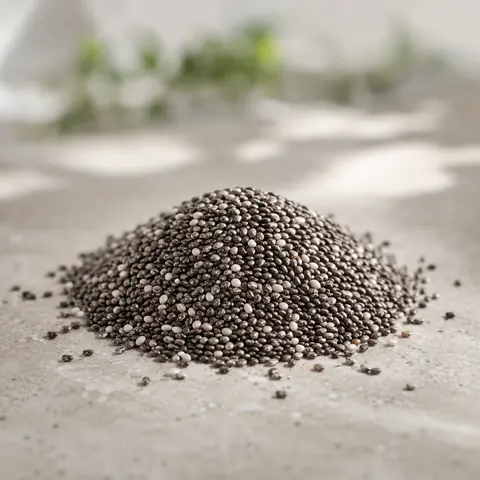
Chia seeds
They soak up around ten times their weight in water. Not bad for such tiny seeds.
- Fibre
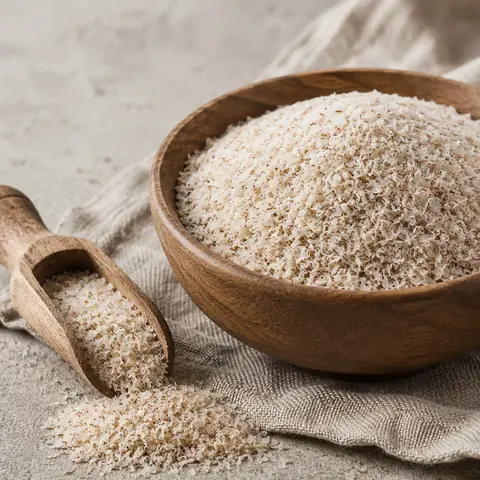
Psyllium husk
Psyllium is a seed whose husk is almost pure fibre. It's what holds the batter together, and gives it the texture we love so much.
- Fibre
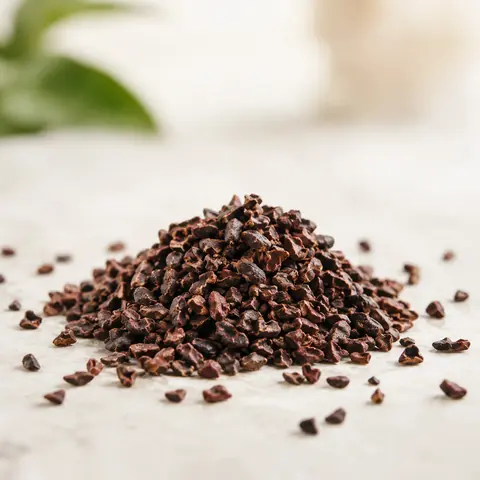
Cacao nibs
If you like little bits, wait till you try these. They come from the cacao bean, and give the cake its crunch.
- Copper
Plant proteins 2
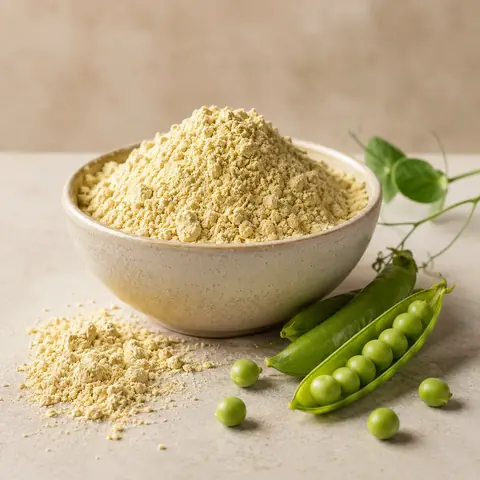
Pea protein
Extracted from peas, it's the protein backbone of the cake.
- Protein
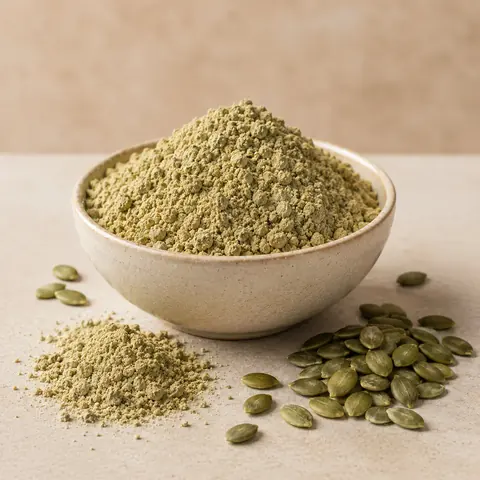
Pumpkin seed protein
Ground, defatted pumpkin seeds. What's left is protein, plus minerals like phosphorus and copper.
- Protein
- Phosphorus
- Copper
Have you heard of this one?
It's not an everyday food, so we'll tell you everything. Tap to learn more.
Glycine
An amino acid: the simplest of them all.
Your body makes it too, and it’s found in the proteins of many everyday foods, such as meat, fish and pulses.
No added sugars · contains naturally occurring sugars (from the fruit and vegetables).
See the nutrition table
Coming soon.
I want to try it
It's not on sale yet.
We're choosing the first people to taste it and tell us what they think. Leave your email. If you're chosen, we'll send you an invitation. If not, you'll hear about the launch before anyone else.