Trick 4 / 5
The word that changes the sugar
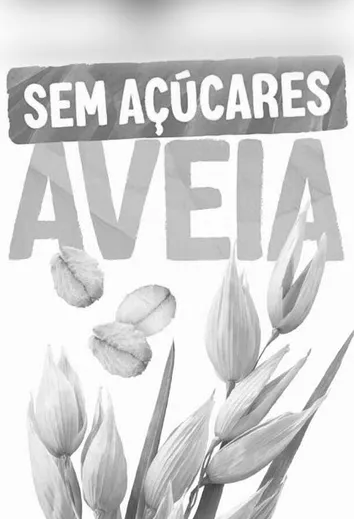
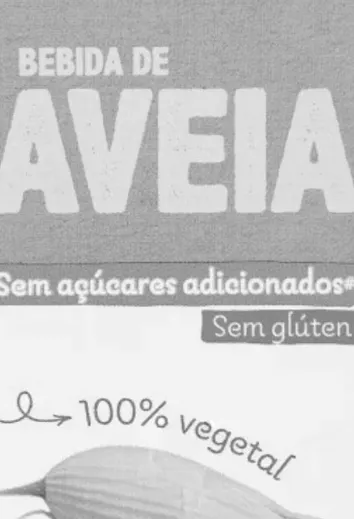

“Sem açúcares” (“sugars-free”) is about what’s in it: no more than 0.5 g per 100 g or 100 ml.
“Sem açúcares adicionados” (“with no added sugars”) is about what’s been put in it: no sugar, and no foods used to sweeten it, like honey. But it can still contain the natural sugars of its own ingredients; if it does, the pack has to say “contém açúcares naturalmente presentes” (“contains naturally occurring sugars”).
Other words on the pack, and what they mean
- Light
- As a rule, at least 30% less energy, or 30% less of a nutrient, than similar products. The pack has to say exactly what’s been reduced.
- Zero açúcar (zero sugar)
- Up to 0.5 g per 100 g or 100 ml. The legal term is “sem açúcares” (“sugars-free”).
- Zero gordura (zero fat)
- Up to 0.5 g per 100 g or 100 ml. The legal term is “sem gorduras” (“fat-free”).
- Zero calorias (zero calories)
- Up to 4 kcal per 100 ml. The legal term is “sem valor energético” (“energy-free”).
- Baixo teor de gorduras (low fat), or “magro” (lean)
- Up to 3 g of fat per 100 g for solids, and up to 1.5 g per 100 ml for liquids (1.8 g for “leite meio-gordo”, semi-skimmed milk). For some foods, such as milk, “magro” has its own rules.
- A “light” yoghurt can have less fat and just as much sugar.
- “Low fat” tells you there’s little fat. It tells you nothing about sugar or salt.
- “Zero sugar” doesn’t mean there are no sweeteners.
Source: Regulation (EC) No 1924/2006, Annex. This is our summary; the full text is on our sources page (in Portuguese).
If you see “adicionados” (added), go to the nutrition table and check the sugars. The word is on the front; the number is on the back.